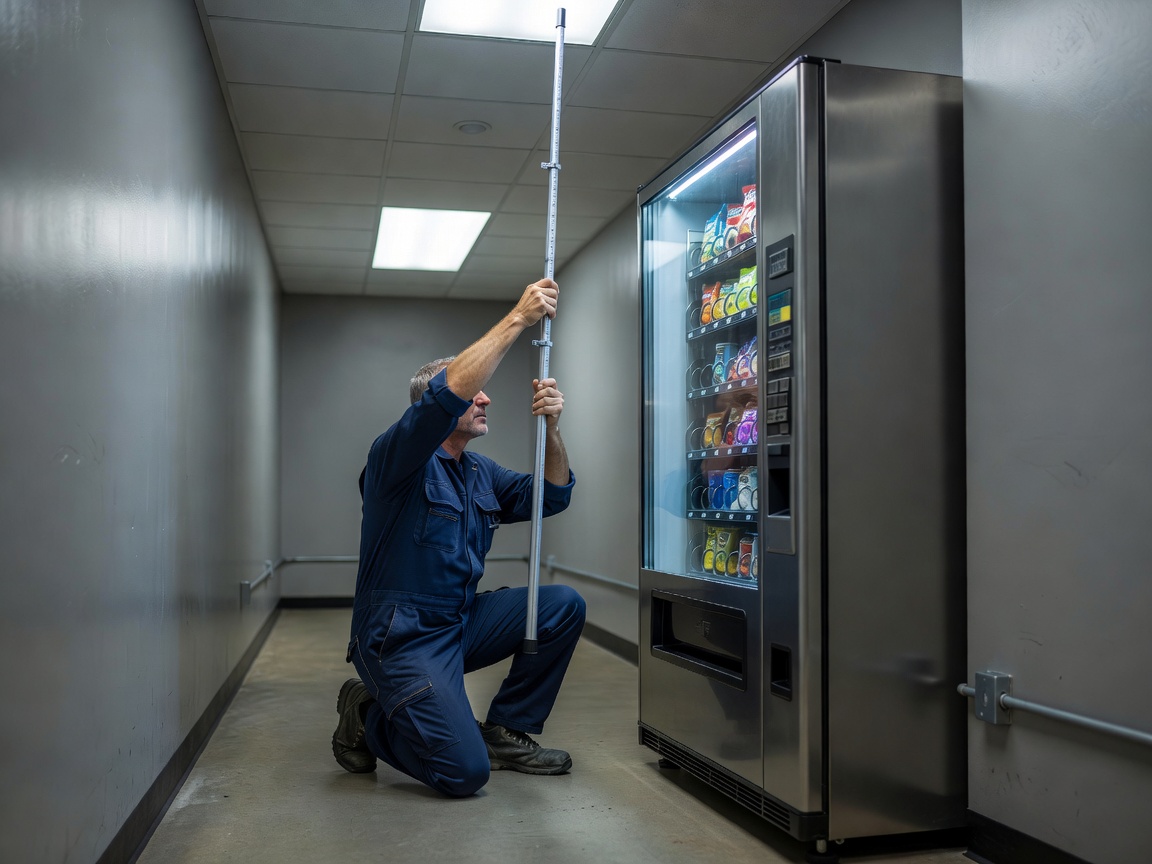
Vending Machine Installation
Safe delivery, positioning, power isolation, and ingress planning. How facilities teams avoid common pitfalls like door-swing choke points, inadequate ventilation, and unbalanced floors.
A dry coffee machine or a faulted snack spiral isn't just an annoyance; it's a breakdown in everyday hospitality. We explore practical installation standards, proactive field engineering, calibrated replenishment, and quiet route logistics across modern European commercial environments.
Whether you are outfitting a tech campus in Berlin, a logistics hub outside Lyon, or a quiet shared workspace in Rotterdam, smooth refreshment points depend entirely on what happens behind the panels.
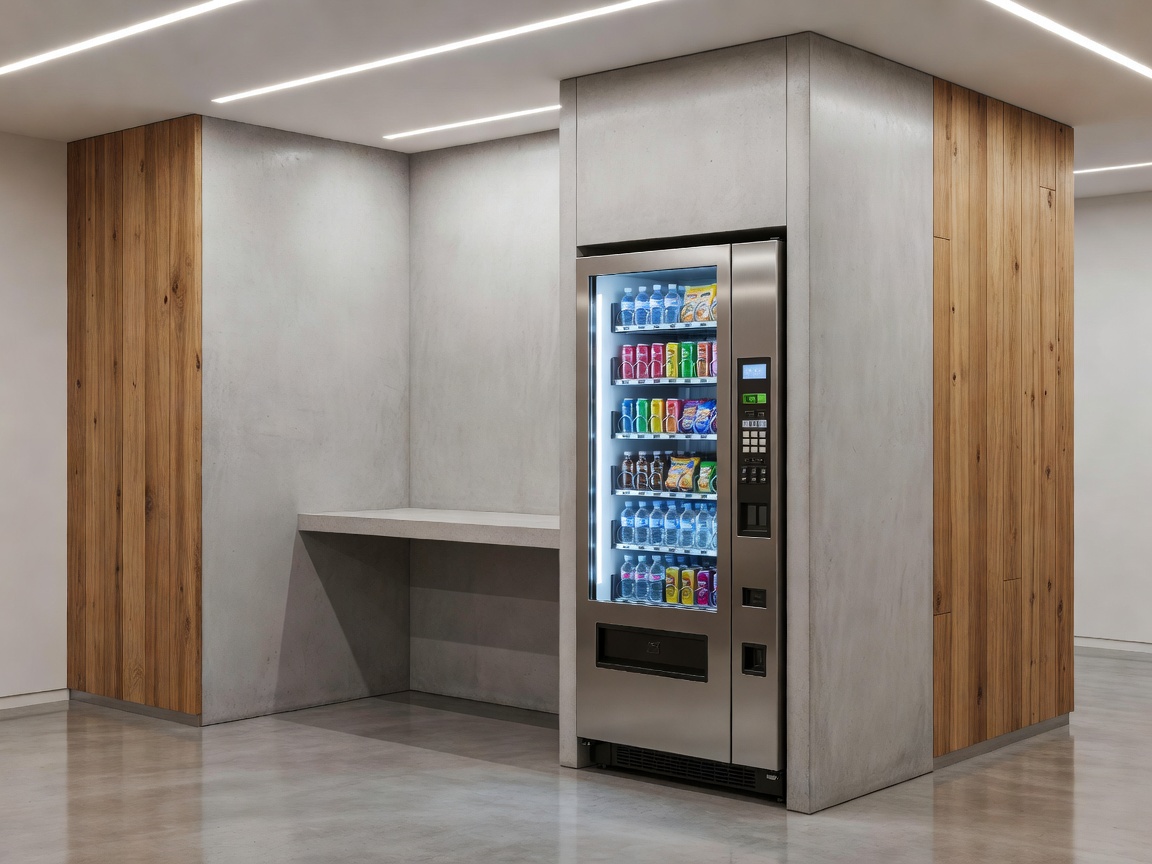
It's easy to look at a vending unit as a freestanding box plugged into a wall outlet. In reality, it is a micro-retail node connected to a wider regional supply chain. Keeping that point viable, approachable, and consistently operational takes continuous coordination between five distinct disciplines:
Explore each foundational tier of European commercial vending—from pre-delivery floor-loading calculations to dense route scheduling across urban hubs.
Safe delivery, positioning, power isolation, and ingress planning. How facilities teams avoid common pitfalls like door-swing choke points, inadequate ventilation, and unbalanced floors.
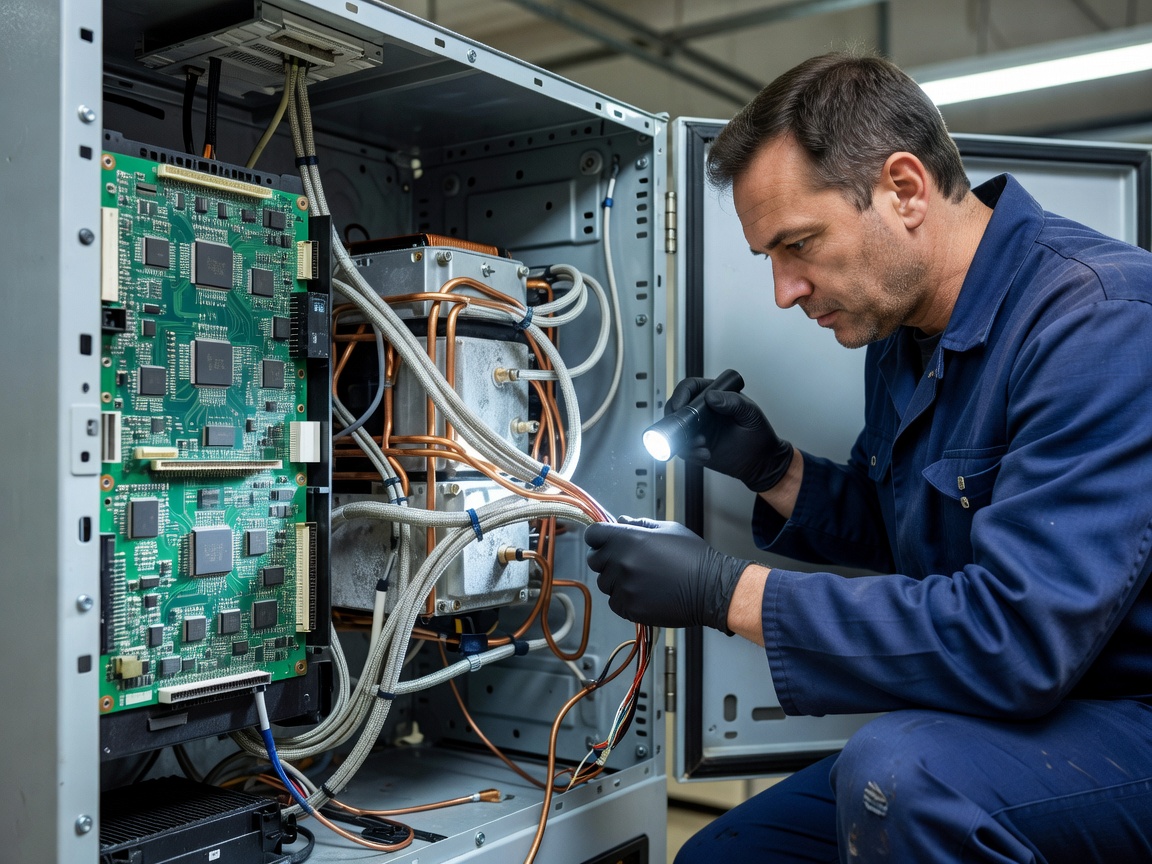
Preventing unexpected out-of-order screens before lunch breaks hit. Routine thermal coil care, card reader firmware patches, optical drop verification, and hygiene protocols.
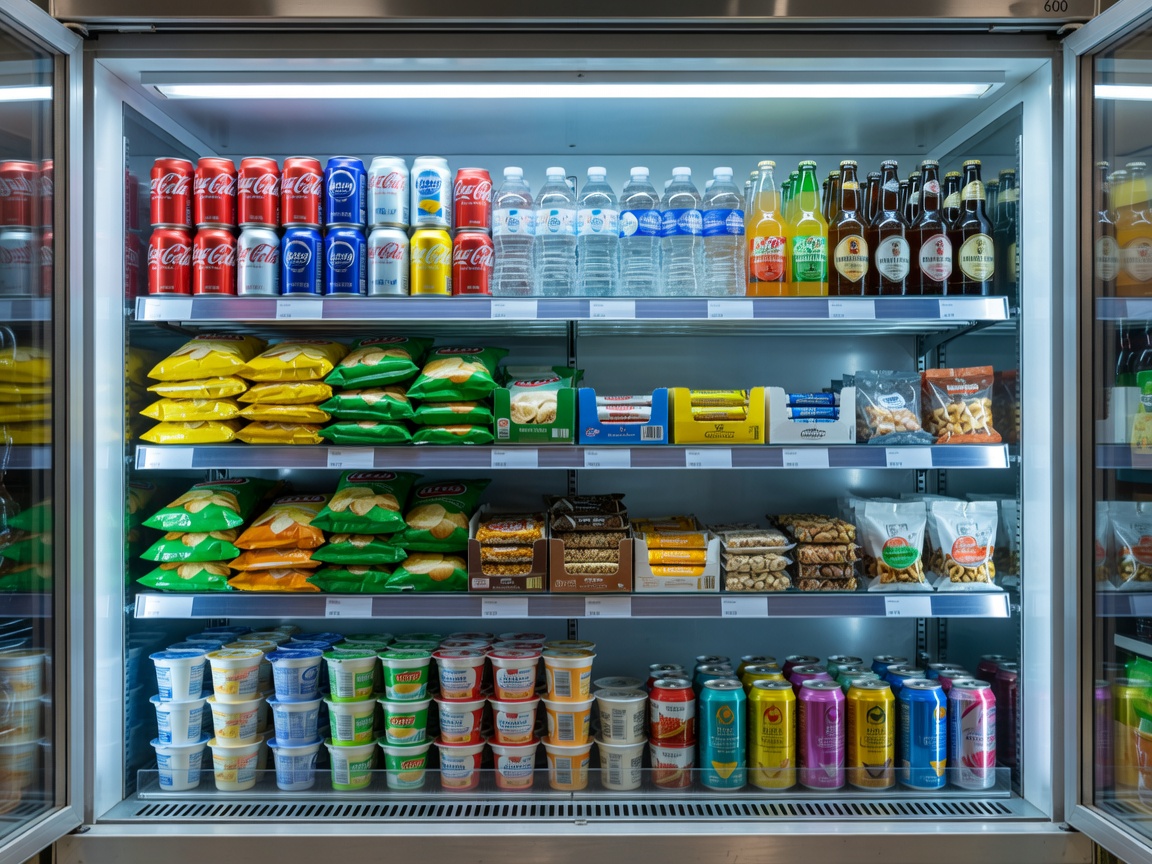
Balancing row space against real turnover patterns. Moving past empty front slots with systematic stock rotation, seasonal pack adjustments, and precise inventory audits.

Designing break hubs that staff actually enjoy spending time in. Noise reduction, cashless tap interfaces, healthy category balances, and layouts tailored for shift changes.

Tying together isolated refreshment stations into coherent technician circuits. Urban access zones, low-emission routing, parts trunk stock, and coordinated service frequencies.