The backbone of any profitable and dependable vending network is route efficiency. If a service vehicle spends four hours stuck in bypass traffic to refill two beverage spirals, the operational model collapses.
Navigating European Logistics Realities
Operating across European metropolitan zones presents unique friction points that don't exist in spread-out suburban layouts:
- Low Emission Zones (LEZ & ULEZ): Cities like London, Paris, Milan, and Amsterdam place stringent restrictions on diesel commercial vehicles. Route fleets must transition toward electric transport vans or plan around strict time-of-day access windows.
- Loading Bay Access Windows: Many city-centre high-rises and historic buildings only permit freight deliveries between 06:00 and 08:30 in the morning. Missing this window means carrying rolling totes up pedestrian lanes or postponing service for another day.
- Regional Product Regulation: Operating cross-border between Belgium, Germany, and France means managing varied packaging deposit schemes (like German Pfand regulations), local language labeling requirements, and regional tax brackets.
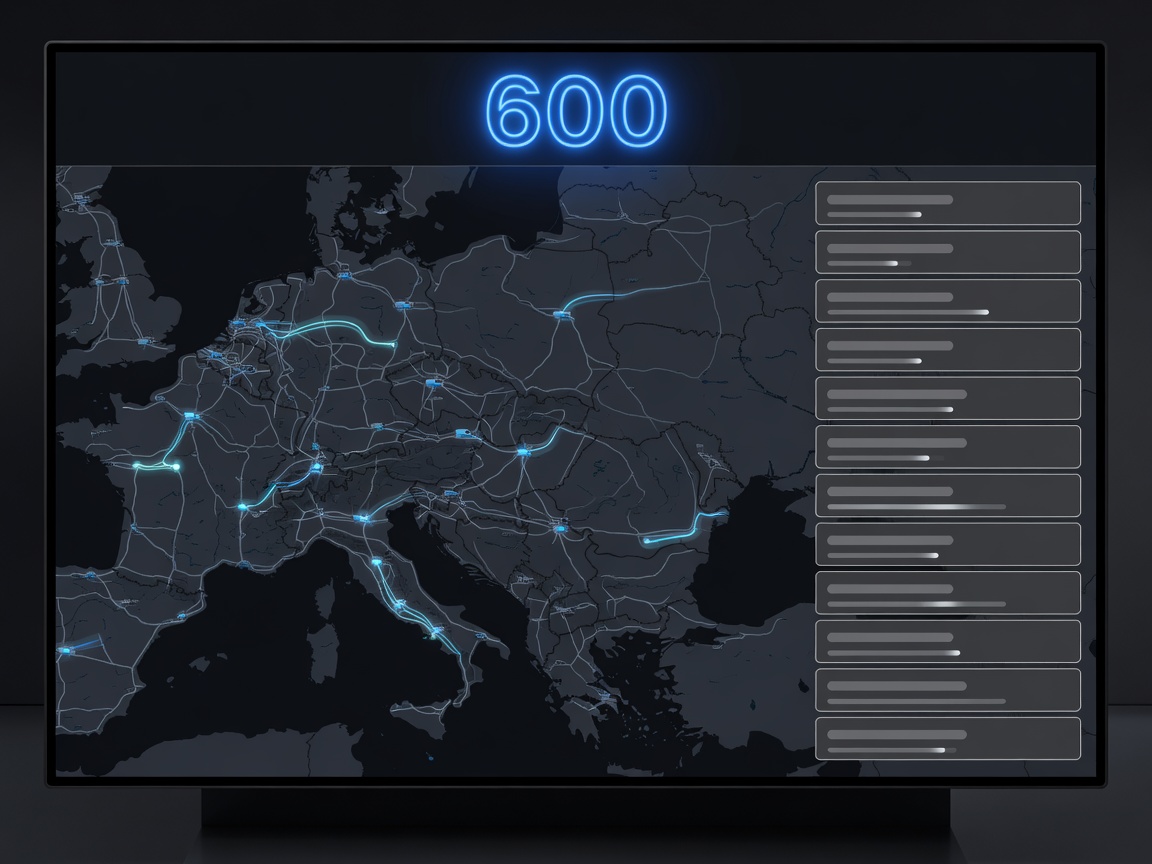
Dynamic Routing Telemetry
Modern route planning software merges live machine sales telemetry with real-time traffic updates. If an industrial park shift change depletes a bank of drink units at 14:00, the afternoon route can adapt accordingly.
Static Schedules vs Dynamic Routing
| Dimension | Fixed Calendar Routes | Telemetry-Guided Dynamic Routes |
|---|---|---|
| Trip Frequency | Fixed every Tuesday and Friday regardless of inventory | Triggered automatically when total capacity dips past a pre-set threshold (e.g. 35%) |
| Fleet Fuel & Mileage | High redundant kilometers driven to check half-full machines | Reduced total kilometers; vehicles only travel to machines that actually need attention |
| Emergency Out-of-Stock Events | Common over unexpected holiday weekends or sudden demand surges | Significantly reduced via automated warning flags sent straight to dispatchers |
| Van Loading Time | Drivers guess general stock mixes and load bulky cases manually | Pre-kitted bins picked specifically for the route's exact daily shortfall |
The Depot-to-Van Pre-Kitting Workflow
In traditional setups, a route driver parks outside a client building, walks inside with a clipboard to see what's empty, walks back to the van, loads what they can find, walks back inside, and fills the shelves. That doubles foot travel on every single stop.
Under a modern pre-kitting model, overnight data pulls calculate the exact items required for each machine on the day's itinerary. Warehouse staff pick those exact items into designated, barcoded totes. The driver simply grabs the specific tote, walks directly in, unloads the exact count, performs quick diagnostic checks, and departs. Dwell time per location drops from 45 minutes down to 15.
Spare Parts Trunk Stock Strategy
Route technicians aren't just delivery drivers; they are the first line of technical defense. Keeping a standardized trunk stock of high-turnover replacement parts in every van enables immediate first-visit fixes:
- Replacement spiral motors and dual-drive harness connectors.
- Spare contactless payment antenna leads and card reader fascia mounts.
- Thermal sensors and replacement condensation drain pumps.
- Universal cabinet locking tumblers and master keys.
Key Questions Before Expanding Route Coverage
When planning to onboard new sites to an existing European route:
- Does the prospective site sit within a 15-minute detour envelope of an established transport corridor?
- Are freight elevator booking rules documented so drivers aren't held up during morning peak hours?
- Is there secure, designated loading parking available, or will the driver face parking fines during routine replenishment?